Teaching on Zoom during the pandemic did not have many silver linings. I have been a project-based English and History teacher at urban high schools for the past twenty-five years – yet none of those years compare to the year online. In the midst of the reality of Zoom school, alongside headlines about rising case numbers and the feeling that frail support systems within the US were collapsing, I needed ways to help my 11th graders feel connected. Students who weren’t friends didn’t have structures for communicating with each other and online classes lacked many of the elements that allowed people to feel heard and validated by peers. They weren’t sitting side by side and reading each others’ work and there weren’t spontaneous shoutouts after hearing work read out loud. Some of the core experiences for students in my classroom were lost as we sprawled out in the glow of our devices.
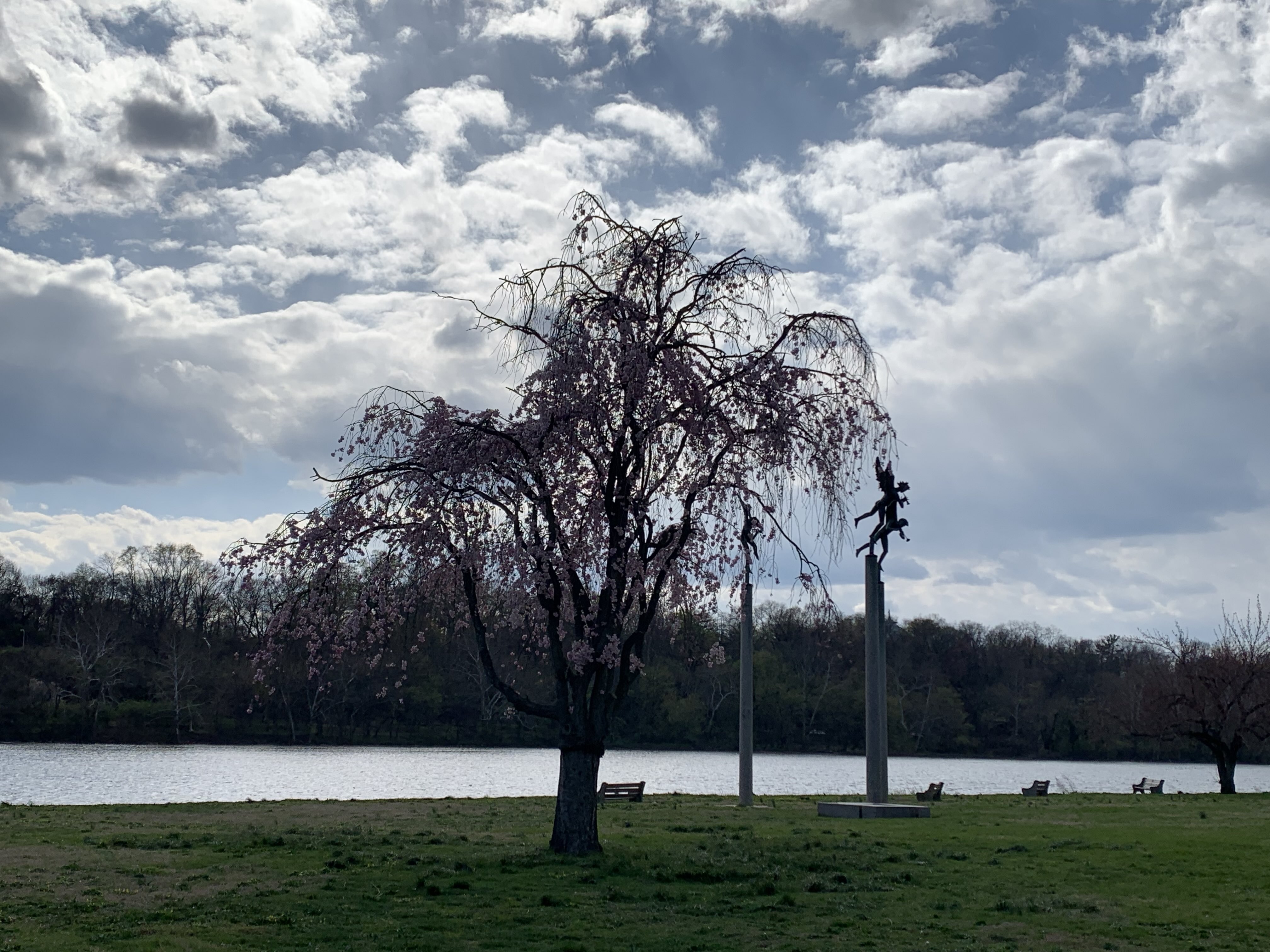
I was searching for meaningful ways to build community and fill more of the space with student voices. I had seen some of the filmmaker David Lynch’s short, weekly videos shot from his office chair in California. “Can you believe it? It’s Friday again! The weather here in Los Angeles…” He would go on to give details about the atmospheric conditions outside his window, frequently adding in a short, quirky comment about other events in his life or his emotions. It was a small jump for me to initiate daily Weather Reports into my practice, a lifeline for my classes on Zoom and now an essential part of the way all my students deepen their connections with each other and share information and experiences throughout a school year. Imagine Jordan, visible in the Zoom window from the chest up, big grin on his face, hair still molded from his previous night’s sleep, walking out the back door of his kitchen, awkwardly carrying his laptop into his small Northeast Philadelphia backyard. He holds an upside down plastic cup as a pretend microphone. “The Weather Report from the Northeast is that snow flurries have stopped. The dog over there keeps barking. The sky is grey.” The faces in the other squares on Zoom are smiling. It is hard not to be amused but also, there is an intimacy to the experience as hearing Jordan’s descriptions and a glimpse of his reality change our relationship to him.
Once students became more accustomed to regularly hearing from each other and the structure of Weather Reports, the reports often became personal and an experience that was reflective and communal. On a daily basis, the ritual of Weather Reports from multiple students at the beginning of class both paves the way and develops the connections for communal intellectual work. It is by hearing from each other in informal yet meaningful ways that students build the structures to communicate intellectually, using processes of inquiry and communal investigation. Weather Reports mean that I know my students in more ways and they hear from me in ways that are unrelated to content. Most importantly, students come to know each other as complex humans. Another way to think of this is that Weather Reports allows us all to truly see each other. Students hear when someone they don’t know is struggling or celebrating and develop an awareness of the complex realities of those around them, beyond their circle of friends.
Now, each day as students walk into Room 307, I look over my list and let three people know that it is their day for a Weather Report. Some are amused to have an opportunity to speak to the class but others respond hesitantly, no matter how many times they have been part of the ritual. If they tell me they don’t know what to speak about, I point them towards a list of ideas for Weather Reports:
- Recent happenings or stories
- Successes or Struggles
- Commentary on Philly or world events
- Recommend a book, a song, a show…
- The weather (outside or internal)!
I will begin class, sometimes giving a Weather Report of my own before passing to students. “Kaleb has the first Weather Report, then Sophie, then Santiago, and then anyone else who wants to go.” People know to stand and face the group when giving a Weather Report and the rest of the class knows to turn in their chairs to face the person speaking as we ping around the room. “Basketball practice has started and I’m feeling really good about the team this year. Also, I worked hard all summer and now I can’t wait for the season.” When Kaleb finishes speaking, everyone snaps their fingers, demonstrating that they’ve been listening and showing support. Students offer encouragement after Rolf talks about his tyrannical boss who makes him do extra work at closing time. People sympathize when Anye shares a scary mass transit experience. There is excitement when Ethan talks about a show that others are also watching.
It is hard for me to imagine my classes without having the first several minutes of check-in, decompression, and connection time. This is when students choose how to bring their lives, experiences, and emotions into the classroom to be heard and affirmed. These daily reports allow people to get to know each other on many levels and mean that our humanity is front and center before we move into academic work. I know how important Weather Reports are to me and I’ve heard some students praise them (while others continually cringe when I tell them it is their Weather Report day). Writing this chapter alongside my students gave me an opportunity to learn more about their experiences of this classroom ritual.

